February 24, 2026
What is supervised autonomous delivery?
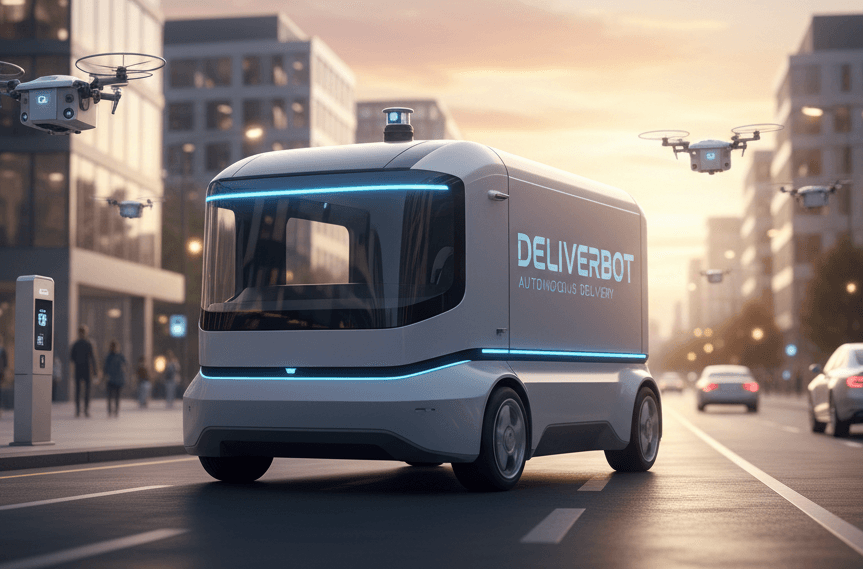
Fully autonomous vehicles without any human assistance are considered a long-term vision. In practice, however, a hybrid approach has proven to be particularly realistic: supervised autonomous delivery. This model combines autonomous driving functions with human control in the background.
Definition: Autonomous driving, human supervision
In supervised autonomous delivery, vehicles drive autonomously on the road without a driver on board. At the same time, they are monitored from a central control center. If a situation arises that the vehicle cannot clearly resolve, a human intervenes remotely.
This intervention can range from a simple release decision to short-term remote control. The vehicle then takes over operation again independently.
Distinction from fully autonomous driving
Fully autonomous vehicles operate completely without human assistance. This technology is technically highly complex and has so far been severely restricted by law.
Supervised autonomy deliberately takes a more pragmatic approach. The vehicles do not have to be able to solve every conceivable situation themselves, as a human can intervene in the background to provide support. This means that autonomous systems can be deployed earlier, more safely and more economically.
Teleoperation and remote monitoring in practice
One operator can monitor several vehicles at the same time. Modern systems only report when assistance is required. In practice, this means that humans rarely intervene, but are available at all times.
This model significantly reduces personnel costs without sacrificing human control. At the same time, acceptance by authorities, companies and customers increases, as there is always a responsible authority available.
Example: Supervised Driverless at Faction
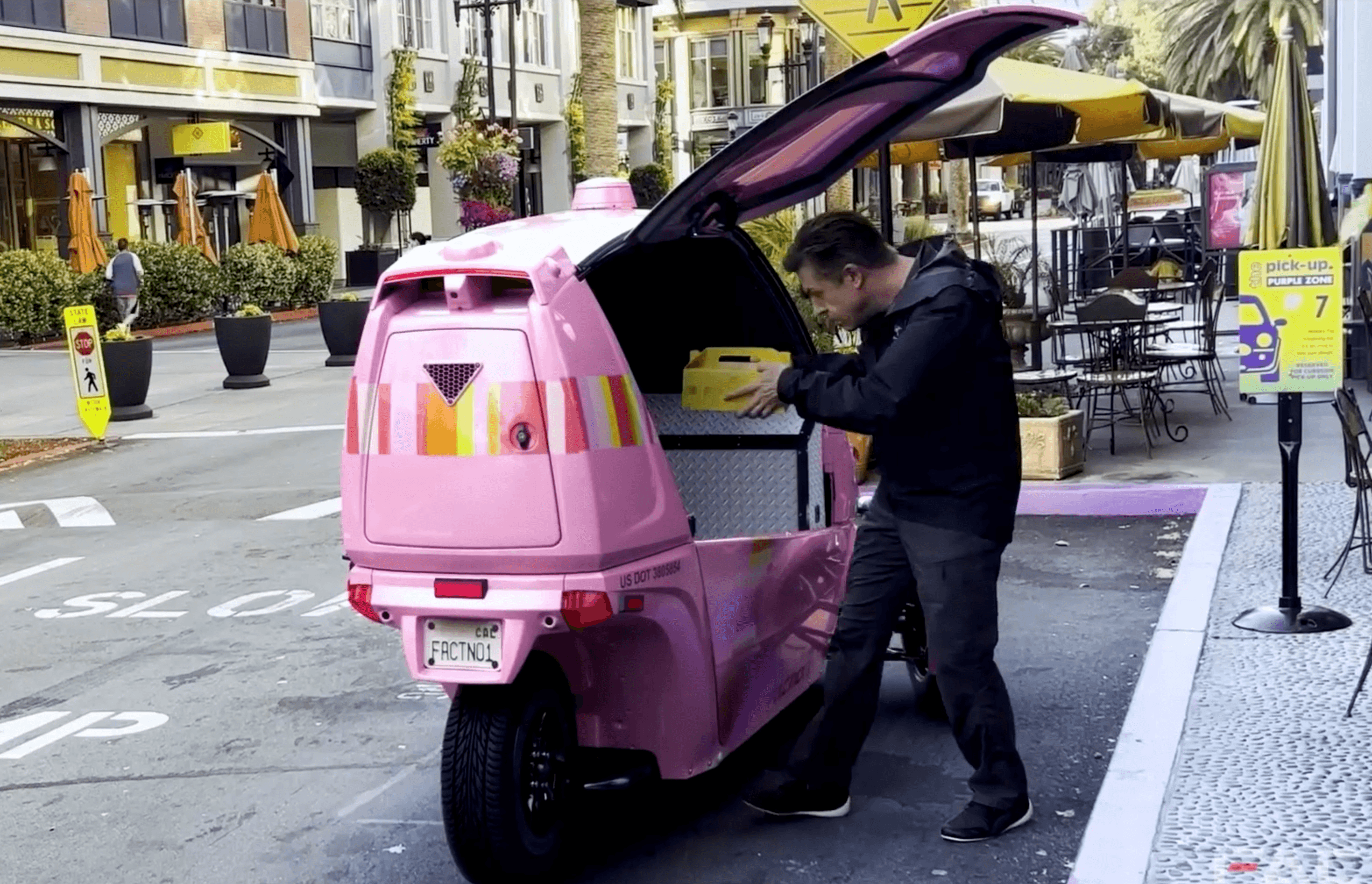
The US company Faction is considered one of the pioneers of supervised autonomous driving in the delivery sector. Faction combines compact, affordable electric vehicles with autonomous driving software and permanent remote monitoring.
The vehicles drive autonomously, but are supervised from control centers. This approach already enables real delivery journeys in road traffic without having to wait for fully autonomous systems. This model is considered economical and scalable, especially for urban delivery services.
Significance for ARI Motors
ARI Motors is focusing specifically on supervised autonomous delivery concepts. The combination of affordable electric commercial vehicles and supervised autonomous driving technology enables a realistic introduction of autonomous delivery in the European market.
Through partnerships such as with Faction, ARI Motors combines vehicle expertise with proven autonomy technology. The aim is to create marketable solutions for trade, commerce and logistics - efficient, safe and affordable.
Why supervised autonomy is currently preferred
-
higher level of safety
-
faster market launch
-
better regulatory acceptance
-
Economical operation
-
Scalability through remote monitoring
Conclusion
Supervised autonomous delivery is currently the most practicable path to the autonomous future. It combines technological innovation with human control and enables the real-life use of autonomous delivery vehicles today. Together with its strong partner Faction, ARI Motors is positioning itself as an active shaper of this development - with a clear focus on electromobility, cost-effectiveness and practical autonomous logistics solutions.
You might also be interested in